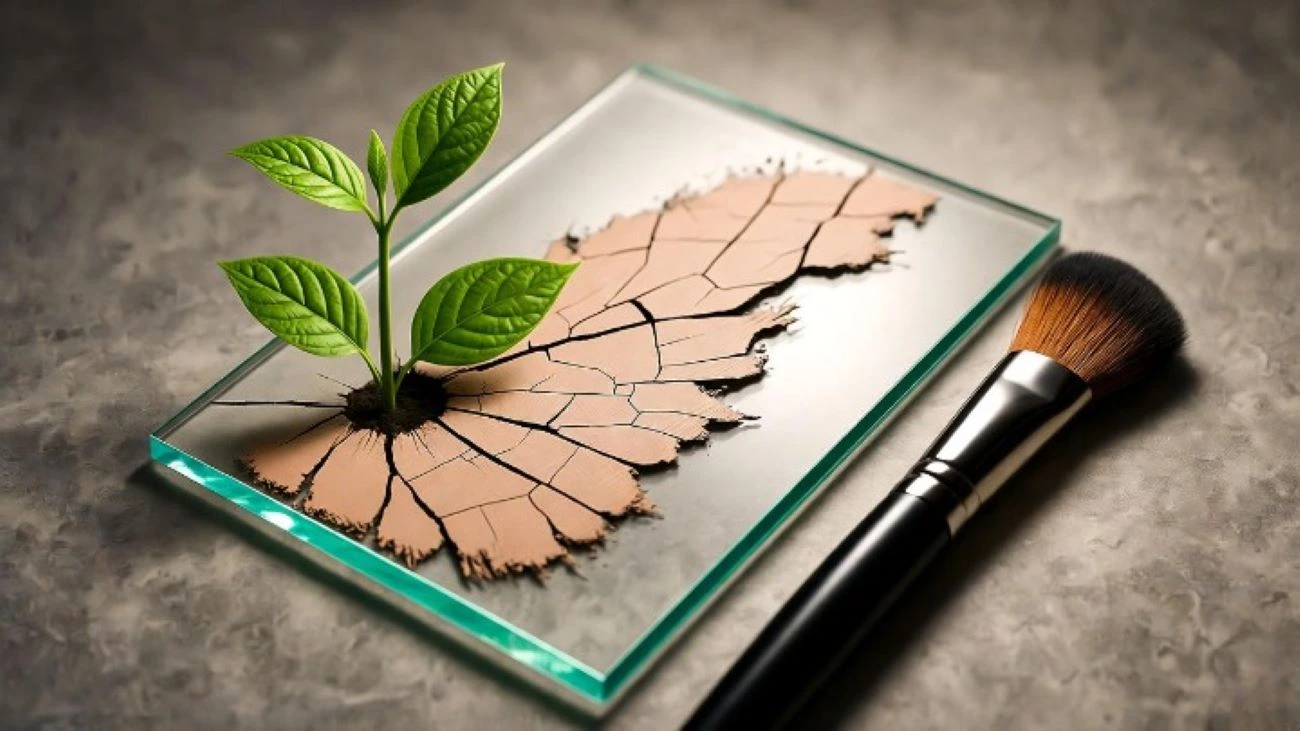
Introduction: Getting to the Truth About Makeup and Aging
Does makeup alter your skin? This question has been a source of concern for many makeup artists who have noticed the changes in their appearance with time. If you’ve ever been concerned that your foundation or mascara could be causing wrinkles in secret and wrinkles, you’re not the only one. The connection between cosmetics and aging skin is complicated, but it’s comforting and encouraging: Makeup itself doesn’t necessarily age your skin but certain habits in your makeup such as ingredients and removal methods definitely cause premature wrinkles.
It is vital to know this distinction for anyone wanting to be able to enjoy makeup without harming the long-term health of their skin. The positive side is that with the right knowledge and skills you can wear makeup while maintaining your youthful glowing skin. In this complete guide, we’ll distinguish facts from fiction, look at the underlying science that cause aging due to makeup and offer practical ways to help protect your skin. If you’re a minimalist with your makeup or a full-on glamourist You’ll learn ways to make your makeup routine benefit your skin, instead of against it.
The Direct Connection Between Makeup and Premature Aging
What, then do makeup products contribute to ageing? The answer isn’t an easy either or. Dermatologists insist that makeup isn’t a problem for your skin, however certain methods can result in the effects of aging . The most important thing to consider isn’t the makeup itself, but how it interacts with the skin’s natural process and environment.
When we speak of ageing skin makeup is usually discussing a number of important mechanisms:
- Larger and blocked pores The use of oil-based or heavy makeup can clog pores, which can stop pores from functioning. The blockage can impede the flow of oxygen, which can result in breakouts, irritation and texture issues which can cause an age-related appearance as time passes . If your pores are clogged for long periods, they can be permanently enlarged, which can affect the skin’s smoothness.
- Collagen break down The most important cause of the aging process of makeup is the degradation of collagen. If you wear makeup for too for too long (especially for a prolonged period (especially) it may affect the natural healing and regeneration processes, which occur primarily in the night. This can hinder collagen production, a protein that helps keep your skin supple and firm .
- Damage to the barrier and dehydration Certain makeup formulations contain alcohol-based drying ingredients which could compromise your skin’s barrier to moisture . Damaged skin barrier causes more water loss, resulting in wrinkles and fine lines more visible.
The cumulative effects of these processes could accelerate the aging process of your skin than it does naturally. However, the good news is that each of these processes are within your control with an informed choice of products and practices for skincare.
Ingredients That Age: What to Avoid in Your Makeup
Being aware of your makeup’s ingredients list is among the most effective methods to avoid premature wrinkles. Certain ingredients are recognized to cause irritation, block pores, or harm your skin’s barrier in time. Here are the top culprits to be on the lookout for:
Problematic Ingredients Linked to Aging
| Ingredient Category | Common Products Found In | Potential Aging Effects |
|---|---|---|
| Drying Alcohols (SD alcohol and denatured alcohol) | Foundations, primers, and setting sprays | Skin barrier is compromised, which enhances water loss, and emphasizes the fine lines |
| Fragrances (synthetic unidentified) | Various makeup products | Inflammation and irritation can cause discomfort Chronic inflammation degrades collagen |
| Comedogenic oils (coconut oil and some mineral oils) | Cream-based cosmetics, heavy foundations | The clogging of pores can lead to blackheads, enlarged pores and even blackheads. |
| Sodium Lauryl Sulfate (SLS) | Cleansers, brush cleaners | Natural oils can be stripped away which can damage barrier to the skin after repeated use. |
Concerning Additives and Contaminants
Beyond the obvious irritants Certain makeup products might contain more harmful compounds:
- PFA “Forever Chemicals”: These chemicals are discovered in a variety of cosmetics, such as foundations and waterproof mascara. According to tests conducted carried out by the Campaign for Safe Cosmetics, the PFAS chemicals, such as the PFOA (linked with breast cancer) can accumulate within the body in time . Although their direct effects on aging are still being researched the potential health risks require caution.
- Retinol used in Cosmetics Retinol is often praised in skincare because of its anti-aging properties but its use in cosmetics is a source of controversy. A high dosage of retinol derivatives such as the retinoic acid as well as retinyl palmitate used in cosmetics can produce unintended negative consequences, particularly when exposed to sunlight .
The best way to avoid the harmful ingredients isn’t in avoiding every makeup product, but rather to learn how to read labels. Make sure that the products you purchase list their ingredients and if you’re unsure opt for simpler formulas that contain fewer synthetic ingredients.
The Ultimate Aging Offender: Sleeping in Makeup
If there’s a single habit of makeup that is certain to accelerate aging and is sleeping with makeup on. This one practice blends all the possible aging mechanisms into a damaging routine for your night. Experts in the field of beauty advise that applying makeup to your skin could cause skin to age twice as quickly as natural ageing . This is the reason why this practice is harmful:
How Overnight Makeup Damages Your Skin
- Blocks Natural Skin Regeneration The renewal process occurs mostly in sleep as cell regeneration is most active between 11pm until midnight . Makeup creates a barrier which blocks natural exfoliation and cellular turnover, effectively making your skin’s repair shop in a state of lockdown.
- traps pollutants and free Radicals Through all day long, makeup absorbs environmental pollutants, dirt and oil. The act of letting these substances remain on your skin for an extended period of time lets them continue to oxidize and generating free radicals that cause damage to skin cells similar to UV radiation . The damage builds up silently every night.
- accelerates Collagen Breakdown: Research shows that the use of makeup for a long time creates an oxidative stress which breaks down collagen and elastin, vital proteins that keep your skin youthful and firm . The initial three hours of sleep are crucial to the repair of your skin. Putting on makeup can block this crucial time.
- causes specific damage to a particular area Skin that is delicate around the mouth and eyes is particularly susceptible. Eyeliner and mascara can smudge in your eyes when you sleeping, creating irritation, which can lead to crow’s foot development. Lipstick that is left on overnight dry out the delicate lips making horizontal lines that line the lips .
The solution is straightforward and not negotiable: Always remove your makeup prior to going to you go to bed. If you’re always exhausted at night, consider to remove your makeup the moment you arrive home instead of staying up until bedtime or keeping delicate cleansing wipes near your bed in case of emergencies.
Makeup Application and Removal: The Hidden Aging Factors
However, even with the best products and the proper nighttime cleansing the way you apply and removing makeup can dramatically affect how your skin is aging as time passes. Here are some of the key things to think about:
Aging Mistakes in Makeup Application
- Utilizing dirty Brushes as well as Sponges This typical error can cause bacteria to enter the skin and may cause minor inflammation, breakouts and even infections. Research has shown that staph aureus bacteria are present in mascara within three months of wear and the same contamination can be found on tools that are not cleaned . Clean brushes and sponges must be cleaned on a regular basis, every 7-10 days in order to prevent skin problems .
- Tugging delicate skin The eyelids’ skin is especially delicate. A rough applying or removing of makeup from your eyes causes tiny tears and damages the collagen within the delicate skin area and causes a premature appearance of crow’s foot. Make sure to use gentle rolling and patting motions instead of pulling or pulling or.
- overloading by Heavy Products: Caking on several heavy products (thick foundations, numerous concealers layers of concealer) can make your skin feel suffocated and cause fine lines to appear that make them appear larger. This is especially the case with powders, which make dry patches and wrinkles appear more prominent when you age .
Proper Makeup Removal Techniques
- Double-cleansing method The first step is to use an oil-based cleanser that breaks down makeup. Then, follow with an water-based cleanser to eliminate the remaining impurities. This will ensure complete removal without the need for a harsh scrubbing.
- Soft Eye Makeup Remover Make sure to soak a cotton pad in a specially designed eye makeup remover and place it on your eyelids that are closed for 20-30 secs to dissolve the product. After that, gently wipe it down without rub.
- Avoiding Physical Exfoliation that is harsh Utilizing rough scrubs or washcloths to get rid of makeup can cause physical irritation which may result in hyperpigmentation post-inflammatory and inflammation (dark marks) .
Keep in mind it’s your skin that’s the most susceptible to irritation when you remove makeup because you’re adjusting it when it’s coated with products that could contain possible irritants. A gentle technique is equally crucial as thoroughness.
How to Prevent Makeup-Related Aging: Your Action Plan
The best part about aging and makeup is that the majority of damage can be prevented with a few lifestyle choices and products. Here’s the complete guide to having fun with makeup while preserving your skin’s youthfulness
1. Choose Non-Comedogenic and Sensitive Skin Formulas
Find products that are specifically labeled “non-comedogenic” (won’t clog pores) and “suitable for sensitive skin” . These types of formulations are generally free of some of the ingredients that cause irritation previously mentioned and are formulated to be gentler on the skin.
2. Never Skip Sunscreen Under Makeup
The sun’s damage can be the main reason for premature aging, that is the reason for a majority of visible changes in skin . Make sure you apply broad spectrum, SPF 30+ sunblock as the last step in your skincare routine prior to applying makeup. Make sure to choose moisturizers that have SPF for protection on a daily basis.
3. Take Regular Makeup Breaks
Dermatologists advise that you take breaks from your skin from applying makeup . Try to have at least one or two days without makeup to let your skin breathe and rejuvenate naturally. Use heavier makeup only for special occasions and not regular wear.
4. Implement a Consistent Skincare Routine
A well-balanced skincare routine is the best way to protect yourself from the effects of aging caused by makeup. The most important elements are:
- A gentle cleansing to get rid of all make-up while not stripping skin
- Exfoliation on a regular basis (2-3 times a week) to avoid pore congestion
- Serums that fight free radical damage (Vitamin C) to stop the damage caused by free radicals
- A proper amount of moisture to protect the barrier of skin function
- Retinoids (as suggested by dermatologists) to improve collagen production
5. Replace Makeup and Tools Regularly
Makeup won’t last for ever. The growth of mold and bacteria within products in time, causing irritation and infections . Be sure to follow these guidelines:
- Lashliner and Mascara 3 months
- Concealers and foundations in liquid 6- 12 months
- Creme products from 6-12 months
- Products made of powder 1 – 2 years
- Makeup sponges: Replace every 3 months; clean after every use
- Cosmetic brushes Clean each 7-10 days
6. Prioritize Skin Health Over Coverage
If you can, choose lighter coverage products, such as moisturizing tinted products or BB creams rather than heavy foundations. These products give your skin breathing space while still ensuring the same coverage to your skin.
Myths and facts. Truths Ageing and Makeup
Let’s dispel some of the common myths regarding makeup and aging skin:
Myth That makeup will permanently damage your skin.
Fact when used in a proper manner and with a regular skincare routine it isn’t likely to cause permanent damage to the skin . The skin is extremely resilient and will overcome most issues related to makeup when proper routines are established.
Myth A more expensive makeup product can help prevent aging.
Fact The price of a product doesn’t always correspond to skin compatibility. The most important thing is the list of ingredients and how the product works with your skin type.
Myth Makeup with minerals is the best for skin aging.
Fact: Mineral makeup typically contains less irritants and can provide natural sun protection, certain formulations can dry. The particular formulation is more important that just the “mineral” label.
Myth It is necessary to vigorously scrub your face to remove the makeup completely off.
Fact The gentle, yet thorough cleanse is far more efficient and less damaging than abrasive scrubs, which cause inflammation and damages to the barrier.
Conclusion: Makeup Can Be Part of a Healthy Skin Lifestyle
So, will makeup age your skin? Evidence suggests that although certain habits in makeup and ingredients could contribute to premature ageing however, makeup is not the cause of premature aging. The main culprits are actions such as sleeping with makeup on wearing expired or contaminated products, avoiding formulations that cause irritation and utilizing improper removal methods.
The ability to wear makeup while keeping your skin youthful is in your hands. By implementing the preventive measures that are laid out here – choosing products that are not prone to complication, not sleeping with makeup on, keeping the same routine for your skincare and providing your skin with regular breaks so that you can be yourself with makeup without worrying about the consequences for your skin.
Remember that makeup should add to you natural beauty and not affect your skin’s health over the long term. By making well-informed choices, you will get the ideal of both worlds The creative pleasure of applying makeup and the confidence that comes from glowing, youthful skin.
What’s the biggest obstacle you face in managing makeup and your skin’s health? Tell us about your experiences or concerns in the comments section below – Let’s keep the discussion going!