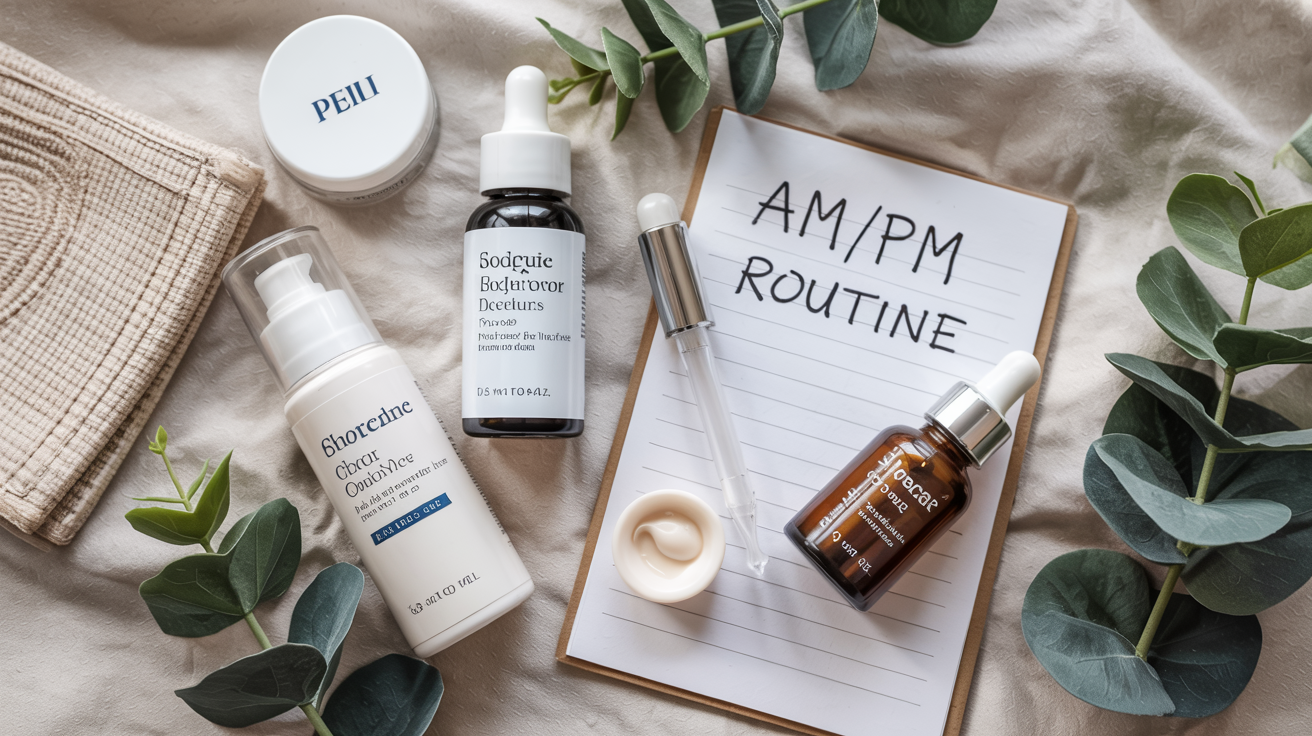
Introduction: Unlock the Power of Vitamin E Oil for Your Skin
Vitamin E oil is for a long time been a cult product in dermatology cabinets as well as natural skincare routines as well. But what is it that is it that makes this powerful antioxidant an essential for so many? This complete guide dives in the vitamin E oil for skin providing expert-backed guidance to help you tap into the full power of vitamin E. If you’re trying to fight dryness, diminish scars or create a radiant appearance, understanding how to use vitamin E can alter your results in skincare. We’ll cover everything from its primary benefits to the safest methods of application and ensure that you are able to include this powerful ingredient in your routine.
What is Vitamin E Oil and Why Is It a Skin Superhero?
Vitamin E is an antioxidant fat-soluble, and the most popular and effective form used for skin care being tocopherol. In the field of skincare, it’s typically made from sunflower seeds, wheat germ and almonds. Its main strength? neutralizing free radicals – unstable molecules that result generated by UV light and pollution that can accelerate ageing and harm skin cells.
Consider Vitamin E oils as shield and repair team all in one. It improves the barrier of skin and locks in moisture as well as helps heal and soothe damaged tissues. This double action of protection and correction is one of the reasons its advantages for the skin are so broad.
Top Vitamin E Oil Benefits for Skin: The Evidence-Backed List
Let’s get the facts out of the way. It’s true that vitamin E oil’s benefits for the skin aren’t merely anecdotal, they’re confirmed by a huge amount of dermatological studies.
1. Intense Hydration and Barrier Repair
Vitamin E can be described as an emollient. This means it softens and smoothes the skin. It helps strengthen the lipid barrier and prevents the loss of transepidermal fluid (TEWL). This makes it an ideal choice for flaky, dry, or dehydrated skin in extreme environments.
2. Powerful Anti-Aging and Wrinkle Reduction
In combating free radicals vitamin E aids in preventing the degeneration of collagen. This may minimize the appearance of wrinkles and fine lines. It is often combined by Vitamin C as a component in serums since they both work together to increase collagen production, and also protect against photodamage.
3. Scar and Blemish Mark Fading
The most renowned Vitamin E oils that one benefits for skin is to improve the appearance of hyperpigmentation and scars. Its moisturizing and regenerative qualities can assist in softening scar tissue and aid in the skin’s renewal, leading to more even skin tone as time passes.
4. Soothing Inflammation and Eczema Relief
For those who have fragile skin, or with conditions such as eczema Vitamin E’s anti-inflammatory properties can ease the redness, itching, and irritation. It can help restore peace and harmony to stressed skin.
5. Enhancing the Coveted Glow
Does vitamin E oil make your skin glow? Absolutely. Through improving the hydration of your skin, smoothing it out, and helping to improve the surface barrier can create an edgy, plump, and radiant skin from within. It’s nature’s highlighter!
How to Use Vitamin E Oil on Face: A Step-by-Step Guide for Every Skin Type
The correct application is crucial for reaping the benefits with no adverse effects like the appearance of clogged pores. This is a secure and effective instruction for how to apply vitamin E oil for your face.
For the Cautious Newcomer: Patch Test First!
Make sure to dilute vitamin E oil using an oil carrier (like rosehip, jojoba or argan oil) prior to applying it to your face. A good ratio is 1 to 2 drops of vitamin E oil per teaspoon of carrier oil. Use a quarter-sized portion on the inside of your forearm. Wait 24 hours. If no irritation is noticed It’s probably suitable for your face.
Application in Your Routine:
- Cleanse: Start with a freshly cleansed face.
- Tone and Treat Use water-based serums (like the hyaluronic acids or vitamin C).
- Dilute and apply: Mix 1-2 drops of vitamin E oil in your preferred moisturizer, or a couple of drops of carrier oils in the palm.
- Press and Pat Press the mixture gently onto your skin. Do not rub. The oil binds the layers of hydration that have been applied before.
- Time of Use: Start by using it three times per week, at evening. Then, gradually increase it to nightly use if you find that your skin is tolerant to it.
Pro Tips for Oily/Acne Prone Skin: Avoid applying pure vitamin E oil directly onto your face. Make use of it to treat specific areas for scars, or blend a drop in your nightly moisturizer to prevent breakouts.
Vitamin E Oil Recipes for Various Skin Concerns
Make your treatment unique with these easy, efficient homemade recipes. Keep in mind that these recipes are intended meant for use on the skin and are not meant to treat medical conditions.
1. The Overnight Repair Mask for Dryness & Aging
- 1 tablespoon pure Greek yogurt (soothing and lactic acid)
- 1 teaspoon honey (humectant and antibacterial)
- 3 drops of Vitamin E oilMix, and apply it to your clean skin. Allow to dry for about 15 minutes, and then wash. The result is incredibly soft and well-nourished skin.
2. The Scar & Stretch Mark Fading Blend
- 1 tbsp rosehip seed oils (rich in Vitamin A excellent for scars)
- A few drops of vitamin E oil
Massage and mix on those areas that are affected (like stretch marks, or acne marks) for about 1-2 minutes each day. The consistency is the key to visible outcomes.
3. The Soothing Relief Balm for Irritated Skin
- 1 tbsp of colloidal oatmeal (finely ground)
- 1 tablespoon coconut or Shea Butter (melted)
- 5 drops vitamin E oil
Mix, and then let it take a few minutes to solidify in a small container. Use a tiny amount on areas of eczema that are irritated or dry skin to ease and soothe.
Addressing Common Questions and Myths
Vitamin E for Skin Whitening: Fact or Fiction?
This is a key distinction. Vitamin E is not able to “bleach” or “whiten” skin. Its purpose is improving as well as evening the skin tone. It assists in fading darker spots (post-inflammatory hyperpigmentation caused by sun damage or acne) by encouraging skin healing as well as reducing the oxidative stress creating a more consistent complexion, and not an overly light one.
Can I Use It Under My Eyes?
Yes However, be very cautious. The skin is extremely thin. Be sure to dilute vitamin E oil extensively (one drop per small amount of cosmetic cream) and apply it sparingly. It may help reduce the appearance of fine lines and hydration. However, it could cause Mila (tiny small white lumps) when used excessively.
Who Should Avoid Vitamin E Oil?
People with oily, acne-prone skin should apply it in a limited amount and with a little diluted since it may be a associated with some. Anyone with an allergic reaction with vitamin E or certain oil from plants (like wheat germ) should stay clear of it. If in doubt seek out an expert dermatologist.
Integration of Vitamin E Oil to your Skincare Routine
To optimize your routine Vitamin E is a member of a team. Here’s how you can combine it to get the most benefit:
- Alongside Vitamin C (L-Ascorbic Acid): This is the golden pair. Vitamin C rejuvenates vitamin E and they enhance photoprotection as well as brightness. Apply Vitamin C serum in the morning, follow with moisturizer/sunscreen. Apply vitamin E oil in the evening.
- with Hyaluronic Acid: Apply hyaluronic acid serum onto the skin and then seal the hydration in with the application of diluted Vitamin E oil.
- With Retinol To help counteract the potential for retinol’s irritation and dryness Mix one small amount of vitamin E oil in the moisturizer you apply after applying the application of your retinol cream (on alternate nights, when you are beginning).
Safety First: Avoiding Side Effects and Maximizing Benefits
To ensure a positive experience:
- Do not use expired oil: Oxidized vitamin E could cause skin irritation.
- Start low and go slow: Begin with highly dilute formulas.
- Sun Protection not negotiable: While vitamin E provides some protection against photo adversity but it’s not an alternative to broad-spectrum sunscreen. Make sure you are using SPF 30+ on a daily basis.
- Properly Store: Keep your oil in a dark, cool location to avoid the oxidation.
Conclusion: Your Journey to Healthier Skin Starts Here
From its powerful antioxidant protection to its incredible moisture-relieving and healing properties and healing capabilities, the vitamin E oil’s benefits to treat skin are highly effective and versatile. If you’re a seeker of solutions dealing with acne scars, an optimizer of routines developing a powerful routine, or a novice beginning your journey in the right direction, this guide will arm you with the necessary knowledge to utilize vitamin E oil effectively and safely.
Are you ready to provide your skin with the antioxidant boost it requires? Have you tried vitamin E oil before? Or would you like to share a preferred method to incorporate the oil into your regimen? Discuss your experiences and any questions in the comments section below. Let’s build an entire community of radiant healthy, beautiful skin!