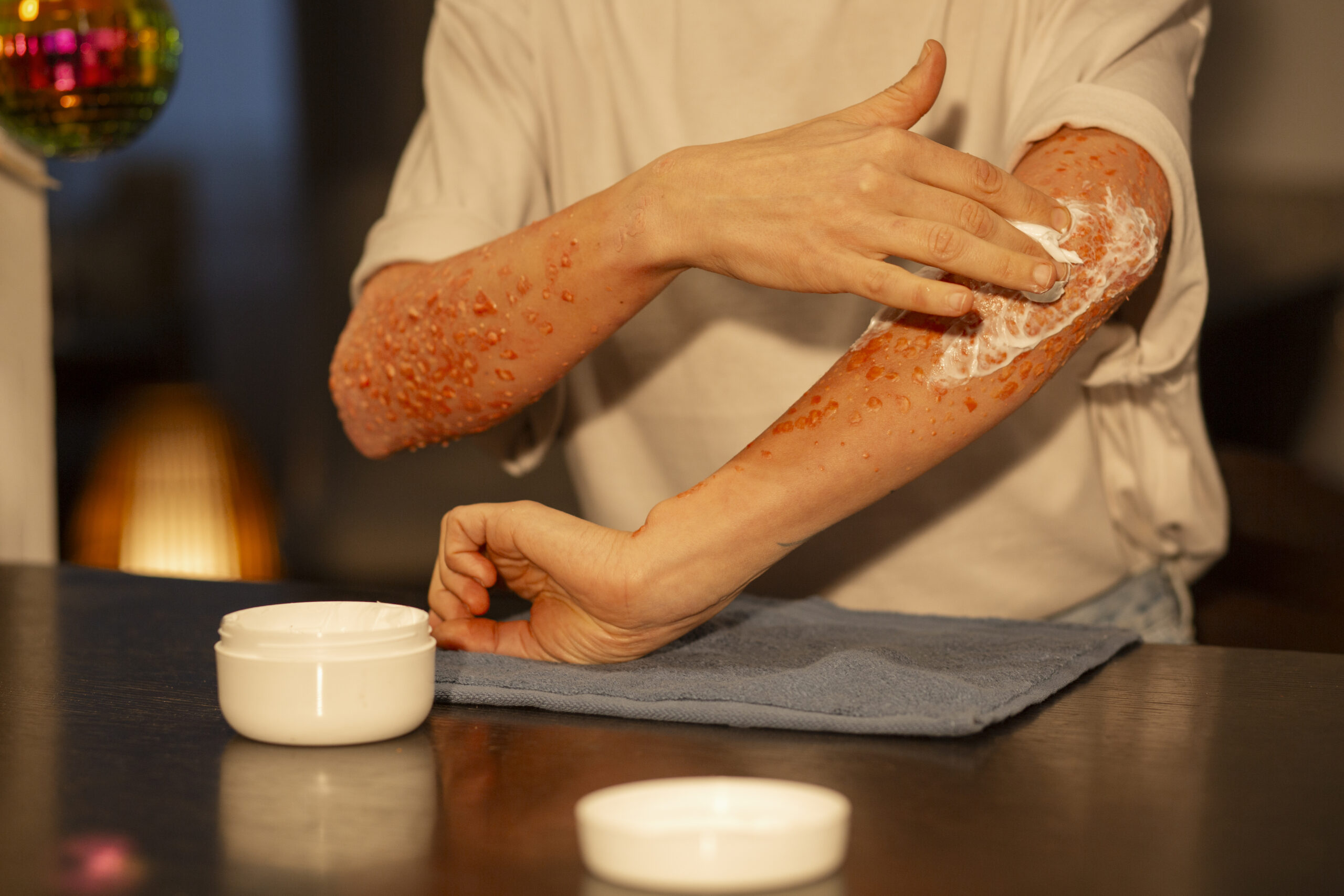
The Role of the Skin Microbiome: 7 Ways Postbiotics and Good Bacteria Prevent Flares
I can remember exactly when I realized my daily skincare routine was in fact an area of war. I was just thirty-two years old and staring at my face that was both oily, peeling and splattered with angry flares of red. I’d used for years the harsh “antibacterial” soaps and high-percentage acids, believing that I needed to cleanse my skin in order to keep it from getting. Instead, I had decimated my most important defense system: my microbiome.
Understanding the role of the skin microbiome, How “Postbiotics” and “Good Bacteria” Prevent Flares is the pivotal moment that repaired my skin after more than an entire decade of burnout-induced inflammation. We tend to consider our skin to be an simple protection but in reality, it’s an active, living ecosystem. If we quit trying to “kill” everything on our face and begin to nurture our microbes and the outcomes are astonishing. In this article I’ll share the science behind skin flora, and the exact change I made to shift away from “sterilizing” to “supporting” my skin.
What Exactly is the Skin Microbiome?
To understand the importance of Skin Microbiome How “Postbiotics” and “Good Bacteria” help to prevent flares We must focus in, way deep. The skin houses millions of fungi, bacteria and viruses. In contrast to “germs,” these organisms create a delicate community known as the microbiome.
The ecosystem functions as an invisible layer of biological material that functions alongside your body’s barrier to skin. If this community is in balance and healthy, it creates natural antibiotics that eliminate pathogens, and also helps to keep a pH that is slightly acidic (the “acid mantle”). But, when we clean too much or make use of harsh chemicals, we create “dysbiosis”–an imbalance that causes acne, eczema and premature ageing.
The Role of the Skin Microbiome: How “Postbiotics” and “Good Bacteria” Prevent Flares
What is the reason this topic is dominating the beauty world in 2026? We’ve finally cracked what we call the “Gut-Skin Axis.” As we use probiotics to digest the skin also requires “Good Bacteria” to manage its internal harmony.
1. The Peacekeepers: “Good Bacteria”
The most well-known resident on our face is Staphylococcus epidermidis. In contrast to the “bad” cousin Staph aureus epidermidis produces peptides that tell the immune system remain in a calm state. In fostering the “Good Bacteria,” we can stop the hyper-inflammatory reaction that can cause rapid flares and redness.
2. The Healers: Postbiotics
When “Probiotics” are live bacteria and “Prebiotics” are the food they consume, Postbiotics are the most recent breakthrough. Postbiotics are beneficial byproducts – like acidic and enzymes–that are created in the process of bacterial fermentation. My experience is that applying creams rich in postbiotics can act as an “fire extinguisher” for inflamed skin. They provide beneficial bacteria, but without the issues with stability of keeping alive cultures in bottles.
3. Preventing the Flare-Up Cycle
A flare-up usually starts with the increase in pH on the skin which makes it “alkaline.” This reduces the barrier and allows bacteria that are harmful to infiltrate. The role of the skin microbiome What does “Postbiotics” and “Good Bacteria” help to prevent flares serves primarily as a security measure by keeping the pH at a lower and the negative bacteria away from layers beneath the dermis.
My Journey from “Sterilized” to “Soothed”
For a long time, I believed an “Clean Beauty” myth that every product should have the ability of “detoxifying.” I suffered from burning out on my skin. I used foaming cleansers which made my skin feel “squeaky clean”–which I’ve learned is a sign of an unhealthy microbiome.
My Turning Point Routine:
-
The Swap The soap for antibacterial use was discarded and replaced it with an acid-balanced, non-foaming, milky cleanser.
-
The Supplement: I started using an essence that was fermented and containing Lactobacillus ferment (a effective postbiotic).
-
The Results: Within 14 days of treatment, that “tightness” I felt every morning disappeared. The first time in my life my skin didn’t flare up following a stressful working week.
Microbiome-Friendly Ingredients to Look For
If you’re an “Clean Minimalist” or a “Sensitized Adult,” you do not need a 10-step program. All you need is the proper biological signals.
Fermented Extracts
Look for Bifida Ferment Lysate or Saccharomyces. These ingredients are high in postbiotics that help strengthen the skin’s repair process. I’ve found them particularly beneficial in “Aging Acne” users who require healing without irritation.
Prebiotic Sugars
Ingredients such as Inulin or Alpha-glucan Oligosaccharide work in the form of “kibble” for your good bacteria. They make sure that your microbiome is healthy and well-nourished, allowing it to out-compete the acne-causing bacteria. flares.
Ceramide Precursors
Your microbiome helps to produce the fats (fats) which keep your skin looking plump. When you use products that are microbiome friendly in essence, you’re helping your skin nourish itself.
Common Myths That Destroy Your Skin Flora
There’s a lot of misinformation regarding the role of the Skin Microbiome and how “Postbiotics” and “Good Bacteria” can help prevent flares. Three myths I needed to debunk:
-
Myth”All Bacteria are Bad. *Truth: Without bacteria, your skin is vulnerable to any infection that may occur within the environment.We need “biodiversity,” not sterility.
-
Myth: Natural Essential Oils are “Microbiome-Safe. “Truth: Several essential oils (like tea tree that is not diluted or oregano) are powerful antibacterials. While they eliminate “bad” bacteria, they typically bring the “Good Bacteria” down with them.
-
Myth: You Need a Scrub to “Deep Clean. “
-
The truth: Physical scrubbing tears the delicate biofilm in which your microbiome dwells. Chemical postbiotics are far better in “cleaning” while keeping the peace.
-
The Decision Matrix: Is Your Microbiome Compromised?
| Symptoms | Likely Cause | Recommended Shift |
| Stinging while applying moisturizer | Damaged Barrier / Low Flora | Do not use any acids and use postbiotic creams. |
| Chronic “Adult Acne” on cheeks | Bacterial Dysbiosis | The focus is On “Good Bacteria” over harsh spot treatments. |
| Dull, flaky, “papery” texture | The absence of Postbiotic enzymes | Add the flavor of a fermented essence into your daily routine. |
The Core Science: What is the Microbiome?
To grasp The Role of the Skin Microbiome: How “Postbiotics” and “Good Bacteria” prevent flares, we have to understand that our skin is a living ecosystem. It is home to billions of bacteria, fungi, and viruses that form a delicate community. This community acts as an invisible biological layer that works alongside your physical skin barrier to maintain a slightly acidic pH and kill off pathogens.
7 Ways Postbiotics and Good Bacteria Prevent Flares
Based on my research and personal journey from “Skincare Burnout” to “Skin Zen,” here are the seven specific ways this ecosystem protects your complexion.
1. Strengthening the Acid Mantle
“Good Bacteria” like Staphylococcus epidermidis secrete organic acids that keep your skin’s pH around 5.0. This acidity is the “security fence” that prevents acne-causing bacteria from colonizing your pores.
2. Producing Natural Antimicrobials
Healthy skin flora actually manufactures its own antibiotics. These antimicrobial peptides (AMPs) target harmful invaders like Staph aureus before they can trigger an inflammatory response or a painful flare-up.
3. Delivering Soothing Postbiotics
Postbiotics are the metabolic byproducts of “Good Bacteria.” Unlike live probiotics, postbiotics are stable and act as a “fire extinguisher” for the skin. In my experience, applying a postbiotic-rich ferment is the fastest way to calm a localized flare.
4. Repairing the Lipid Barrier
Your microbiome signals your skin cells to produce essential ceramides. Without these “Good Bacteria,” your skin loses moisture, leading to the “papery,” sensitive texture common in adult acne and aging skin.
5. Competing for Space
In a healthy microbiome, the “Good Bacteria” occupy all the available “real estate” on your face. This prevents harmful microbes from finding a place to settle, effectively starving out the bacteria that cause breakouts.
6. Managing the “Gut-Skin Axis”
The role of the skin microbiome is deeply connected to your internal health. Research shows that postbiotics can signal the immune system to lower overall systemic inflammation, preventing “stress flares” before they start.
7. Enhancing Product Absorption
A balanced microbiome produces enzymes that help break down skincare ingredients, making them more bioavailable. This means your “Clean Minimalist” routine actually works harder when your flora is healthy.
Why Science Matters
According to research published that were published in The Journal of Investigative Dermatology The biome diversity of your skin is directly related to severity skin conditions such as Rosacea as well as Psoriasis. As someone who has spent years researching the “Healer” mindset in skincare, I’ve seen that the most “authoritative” dermatologists are moving away from aggressive prescriptions and toward microbiome-restorative therapies.
Disclaimer: If you are suffering from a serious fungal infection, or infected lesions Always consult a Board-certified dermatologist. While maintaining the microbiome is vital to long-term health, serious illnesses may require a medical intervention.
Summary: A New Philosophy of Skin
Understanding the role of the skin microbiome What “Postbiotics” and “Good Bacteria” can help prevent flares have changed my life. It helped me move away from my “Burnout” cycle of constant irritation, and into an enlightened level that is “Skin Zen.” When we appreciate the microscopic life that lives on our faces the skin rewards our skin with a glow which no peeling chemical will recreate.
The best skin health can’t be found in a bottle that claims that it will “strip away” your problems. It’s inside the bottles that claim you to “feed” your strengths.
Do you feel like your current routine is too “aggressive” for your skin’s natural flora? Share your favorite soothing ingredients in the comments below!