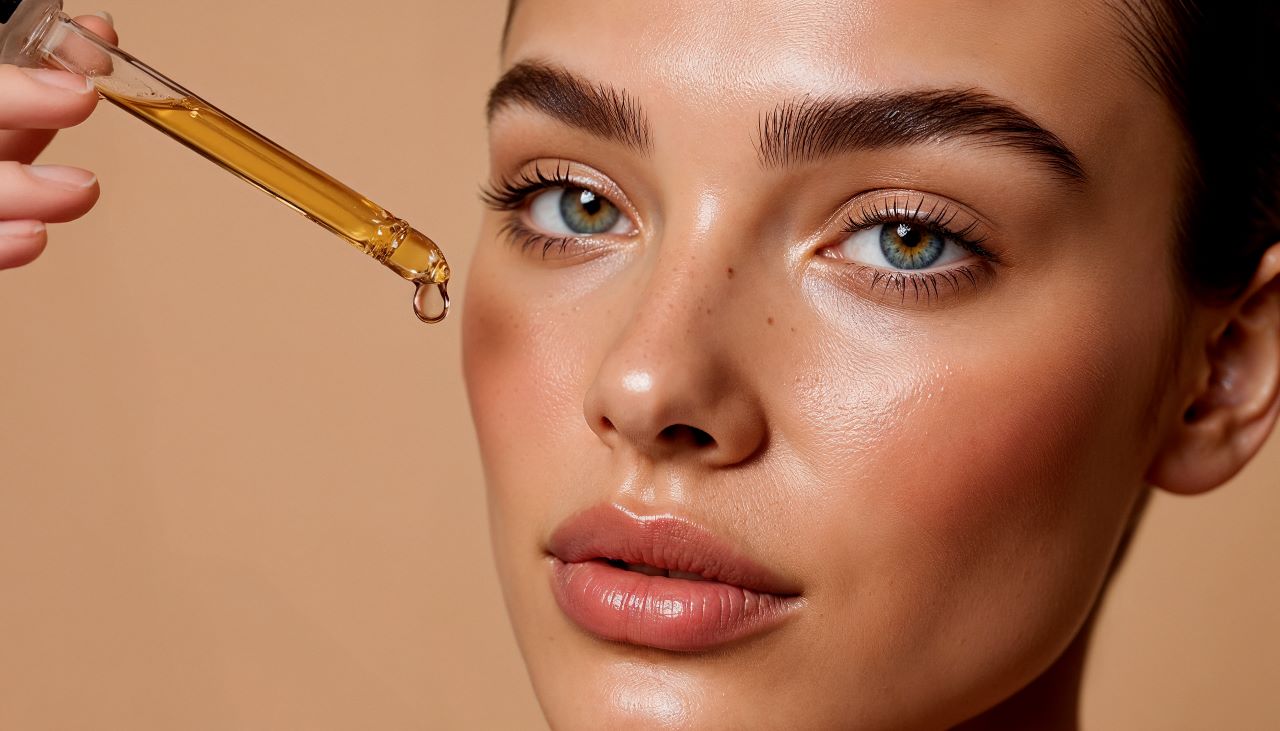
The world of skin care could be overwhelming particularly due to the increasing trend towards simple organic ingredients. One of these is vitamin E oil is a favorite for many years, and is often called a miracle cure for wrinkles, scars and dryness. But do you have the ability to apply the vitamin E oil for your skin in a safe and effective manner? It’s a simple answer but with some crucial cautions.
This thorough guide will help you cut through the hype and provide the reader with evidence-based information as well as practical tips for use and honest suggestions to help you determine whether this powerful oil deserves its place in your skin care regimen. It also addresses the query “Can You use Vitamin E oil on your face”
What Is Vitamin E Oil and Why Is It So Popular?
Vitamin E isn’t just a single substance, but rather a collection of fat-soluble antioxidants with alpha-tocopherol the most commonly used form in skincare products. It protects the skin from the environmental abrasions such as UV radiation and pollution. If applied topically, as oil, it provides targeted benefits directly on the surface of your skin.
Its acclaim stems from its diverse reputation. For many years it has been used by people this product to help with everything from repairing wounds to fighting wrinkles, which makes it an essential ingredient in both cosmetic and commercial formulations.
The Pros: Proven Benefits of Vitamin E Oil for Facial Skin
What, is applying vitamin E oil beneficial for your skin? For many, it can provide significant benefits. Here’s what it can assist with:
1. Intense Moisturization and Barrier Repair
Vitamin E oil can be described as an oil that acts as an occlusive emollient. It assists in sealing the skin with moisture by preventing the loss of transepidermal fluid. It’s a great option for soothing flaky, dry patches, particularly in extreme weather conditions.
2. Antioxidant Protection
As a potent antioxidant, it neutralizes free radicals, unstable molecules that breakdown collagen and cause premature ageing. This helps protect against sun-induced wrinkles and fine lines although it’s not a replacement of sunscreen.
3. Supporting Scar and Wound Healing
It’s one of its most well-known applications. Although research suggests it’s most effective for newer scars Its antioxidant and moisturizing properties can help create a more favorable environment for healing and can enhance the appearance hyperpigmentation or acne scars that develop as time passes.
4. Soothing Inflammation
The anti-inflammatory properties of this plant can calm skin irritations, decreasing redness and irritation of minor burns or the eczema.
The Cons: Potential Risks and Side Effects
Before you rush to apply the product, understanding the dangers is crucial in order to prevent sabotaging your skin.
Does Vitamin E Oil Clog Pores on the Face?
This is the question that will be asked by millions of people. Pure vitamin E oil can be extremely comedogenic which means it is highly likely of blocking pores. This is why it’s challenging for those with oily, combination and acne-prone skin. It may cause acne breakouts (comedones) and may cause more acne.
1. Risk of Allergic Reactions and Irritation
Surprisingly enough, the topical vitamin E may cause contact dermatitis for some people, which can cause itching, redness, or an itch. The patch test is not a matter of negotiation.
2. Heavy and Greasy Texture
Pure oil may feel uncomfortable thick on skin and leave a greasy, persistent film. This is often a problem for people with oily skin types.
3. Not a Standalone Sunscreen
Although it provides some antioxidant protection from sun damage but it comes with an extremely low SPF. It is not a good choice to protect against sun damage is a risky mistake.
How to Use Vitamin E Oil on Your Face Correctly & Safely
Understanding what to utilize it is as crucial as knowing what it is advisable to. Here’s a reliable, safe method.
Step 1: The Mandatory Patch Test
Use a small amount of oil to an area that is not visible (like behind the ear or on your inner arm). Wait 24-48 hours. If there is no irritation then it’s that you’re safe to put on your face.
Step 2: Dilution is Key (The Best Practice)
Do not apply pure Vitamin E oil directly onto the entire surface of your skin. Instead, dilute it:
- Include 1-2 drops in your usual serum or moisturizer.
- Mix it with mix it with a “carrier oil” that is non-comedogenic like Rosehip Seed Oil, jojoba oil or squalane. The ideal proportion is one part of vitamin E oil to 10 parts carrier oil.
Step 3: Targeted Application
Most of the time, it’s ideal to use it for area treatment. Apply a small, diluted amount directly on:
- Scars that are fresh (once completely healed)
- Hyperpigmentation areas
- Extremely dry patches
- Eyes with fine lines (use extreme care)
Can I Use Vitamin E Oil on My Face Every Day?
For most skin types applying a full face treatment every day is not advised due its weight and the fact that it is comedogenic. Applying it three times per week for a light treatment or with a specific approach is a better, more efficient method.
What is the Best Oil to Put on Your Face Overnight?
For use over the night using a diluted vitamin E oil blend can be beneficial for mature, dry skin. However, for the majority of people, light oils such as rosehip or squalane tend to be the best choices for the most suitable oil to use on your face for the night since they are hydrating without the risk of clogging.
How to Use Vitamin E Capsules for Face
Many people prefer the freshness and pureness of capsules. Here’s how to utilize vitamin E capsules to treat your face:
- Make a puncture in a capsule of softgels using a fresh pin.
- Release the oil.
- Mix it immediately with your moisturizer or carrier oil (as it may be oxidized).
- Apply the cream on your face, or to specifically targeted areas.
This is a method that is well-known for making use of vitamin E capsules to treat facial the pigmentation as well as scar treatments.
Vitamin E in comparison to. Other Skincare Vitamin E and other skin care powerhouses
Which is Better for Face, Vitamin C or E?
It’s not a game This is a collaboration. Vitamin C Vitamin C is a water-soluble antioxidant that enhances and improves collagen. Vitamin E is fat-soluble, and it helps in stabilizing the barrier to skin. When they are used in combination they create an effect that synergizes in that vitamin E assists to recycle and enhancing the effectiveness of vitamin C. For comprehensive protection, look for serums containing both.
FAQs: Your Top Questions Answered
Q: Can vitamin E oil lighten my skin?
A: Vitamin E is not bleaching agent. But, by encouraging good skin renewal and decreasing the stress of oxidative, it can aid in fading hyperpigmentation and improve the skin tone as time passes, leading to a more radiant complexion.
Q What should I search for in the most effective vitamin E oil to use on my face?
A Look for cold-pressed, 100% pure alpha-tocopherol, or mixed tocopherols that are in Dark glass containers (to stop the formation of oxidation). Beware of products that have a lengthy listing of ingredients for fillers or scents.
Q Do you have alternatives to oil that is pure?
A: Absolutely. Utilizing a cream or serum containing vitamin E is usually an ideal choice for the majority of people since it offers the benefits but without the bulky skin-clogging texture.
Final Verdict: Should You Try It?
Do you need to use Vitamin E on the face? Yes, but cautiously and in a controlled manner. It’s not a solution and could cause breakouts for a variety of.
Ideal for: Those with dry or mature skin seeking a lot of moisture, antioxidant support and targeted wrinkle or scar treatment.
Beware: If you have oily, combination or prone to acne, you should try to avoid using pure oil and opt for products that have vitamin E at a lower level in the list of ingredients.
The most important thing is listening the skin. Begin slowly, dilute thoroughly and make sure you test it on a patch. If used with care this potent antioxidant could prove to be a useful partner in the quest for healthy skin.
Have you tried applying vitamin E oil to treat your facial skin? Discuss your experiences or concerns in the comments section below. Let’s talk about what was effective (or did not perform) on your behalf!