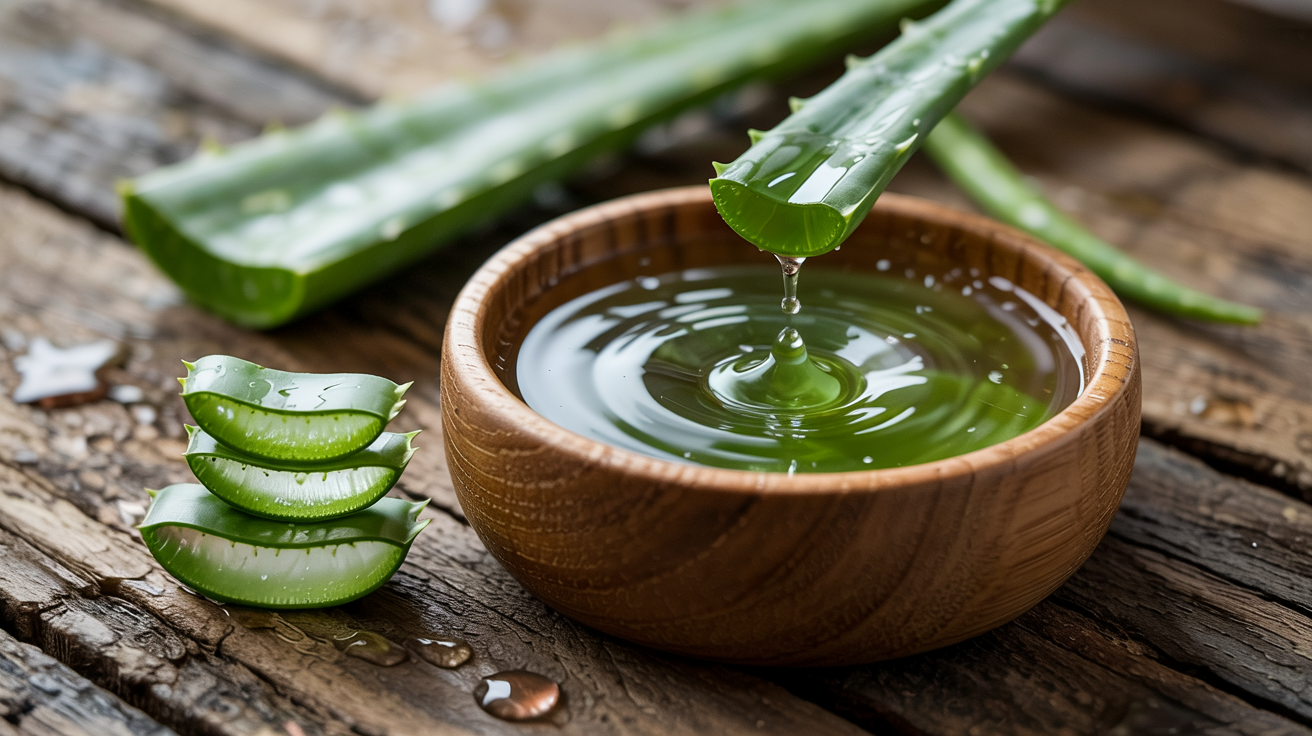
Aloe vera has been a potent plant that has many centuries of scientifically proven benefits to skin health, and offers an array of natural solutions to hydrate revitalization, healing, and hydration. Often called the “plant of immortality,” this plant has been able to earn its place in the world of skincare routines with reasons that are well-founded. If you’re suffering from sunburn, looking for the most intense moisture, tackling acne, or pursuing the benefits of natural remedies for beauty, knowing the complete extent of the benefits of aloe vera for your skin can make your skin appear more radiant.
The clear gel contained within the leaves of its flesh is filled with over 75 active ingredients, which include minerals, enzymes, vitamins as well as amino acids, which work together to heal and soothe the skin. From the ancient Egyptian Queens through modern day dermatology role as a therapeutic agent is well-documented and is supported by a growing amount of scientific research.
A Brief History of the “Wonder Plant”
Aloe vera’s use stretches back millennia. The ancient Greek researchers believed it to be as a cure for all ailments, and Egyptian royalty such as Cleopatra included it in their famous beauty regimens. The first time it was mentioned as a medicinal ingredient in English began in 1655 and in the 1800s, it was a reality within the United States. The most significant turning point of modern science was in the 1930s, when it was found to be effective in treating dermatitis caused by radiation which established its importance in skin health therapy.
The Science Behind the Gel: Why Aloe Vera Works
To understand the advantages of aloe vera for hair and skin it is important to know its biochemical composition. The leaf gel’s inner layer contains about 91% water and the remaining 1% of it being the highest amount of beneficial substances.
- Vitamins and Antioxidants: It’s got Vitamins A (beta-carotene) as well as C E, B12, and B12, antioxidants that fight free radical damage caused by environmental stressors.
- enzymes: Bradykinase and other enzymes aid in reducing inflammation applied topically.
- Minerals This mineral contains calcium as well as selenium, chromium and zinc. All of these are vital for healthy skin function.
- The most important components: Salicylic acid offers anti-inflammatory and antibacterial properties while lignin increases the ability of other ingredients to penetrate to the skin. Polysaccharides, such as glucomannan are essential to heal wounds and provide moisturizing.
Targeted Aloe Vera Uses for Skin: A Solution for Every Concern
The versatility of aloe vera is what makes it an effective all-rounder for a variety of skin problems. This is how it can help with specific issues.
For Sunburn & Immediate Skin Irritation
This is probably aloe’s most well-known application. It is the American Academy of Dermatology recommends aloe vera for sunburn relief because of its moisturizing and anti-inflammatory properties.
- What it can do: Its cooling gel offers immediate relief from burning and pain sensations. Aloin and polysaccharides aid in reducing visible redness, and help support the healing process of skin.
- Best Method: Apply a pure gel or product that contains an aloe vera to the area that is affected. If you have a serious sunburn, you could leave the gel of aloe vera on for the night to ensure continuous cooling and moisture.
For General Skincare, Hydration & Anti-Aging
Regular use of the product can greatly improve the overall health of your skin. Studies suggest it helps promote healthy looking skin and reduces the appearance of wrinkles and fine lines..
- Deep Moisturization It is 96% water It provides intense hydration without leaving a greasy feeling and is suitable for all types of skin. It acts as a humectant and aids in binding moisturizing ingredients to your skin.
- Anti-Aging Benefits: Aloe stimulates the fibroblasts to create collagen and elastin, improving the skin’s elasticity and firmness. A consistent application of application of aloe vera to the daily basis result with a more plump and more radiant skin.
- Gentle Exfoliation Its salicylic acid can help remove dead skin cells, showing the skin’s smoother, more vibrant surface underneath.
For Acne, Blemishes & Sensitive Skin
for the Acne and sensitive skin Group Aloe vera is a mild but efficient option.
- fighting Acne: Its anti-inflammatory and antibacterial properties could aid in reducing swelling and redness associated with the inflammatory acne (like nodules and pustules). A study showed the fact that aloe vera gel when combined with the acne medication tretinoin proved to be better than using tretinoin on its own.
- Soothing Sensitivity It helps treat conditions like Eczema and rosacea, by reducing swelling and inflammation. Its high-nutrient profile aids in restoring your skin’s protective barrier.
- Spot Treatment If you want to take a more targeted method, you should learn how to apply aloe vera gel to treat your face in the evening to treat pimples. Applying it directly to pimples can soothe and improve their appearance in the morning.
For Brightening and Evening Skin Tone
Many people are searching for the best way to use aloe vera to brighten skin or to reduce dark spots. Although it’s not able to “bleach” skin, it helps to create an even skin complexion.
- Naturally Brightening The aloesin or aloin nutrient are able to lighten hyperpigmentation areas and dark spots.
- Reduces the dark Circles: The vitamin E and cooling properties of aloe vera are able to help reduce bags under the eyes and lighten dark circles.
How to incorporate Aloe Vera into Your Routine
Incorporating aloe vera into your diet is easy. This is a straightforward guide that includes guidelines for use over the course of a night.
Daily Application Guide
- Cleaning: Make sure to start by having a a clean, fresh face to ensure the maximum absorption.
- Tone/Mist (Optional): An aloe-based mist could be used to provide an extra layer of water retention.
- Use Aloe Vera Gel: Use a small amount pure gel and apply a thin layer on your neck and face.
- Moisturize or seal: For dry skin it is possible to apply your moisturizer of choice over the your face. For oily skin, aloe itself may be enough.
- Sunscreen (AM): Never avoid sunscreen, particularly since certain aloe ingredients can make you more sensitive to sun.
Maximizing the Overnight Benefits
Applying aloe vera to your skin at night helps your skin absorb nutrients in its primary repair process. The advantages of applying aloe vera for skin after sleeping include intense healing and water retention.
- as a night cream: After cleansing and toning, apply a more thicker layer of aloe gel to finish your. It is possible to leave it on all night long.
- as a Targeted Mask: Apply a generous layer of the product to regions of interest (like spots of acne or dry spots) and let it sit over night.
- Important Tip: If you’re wondering how to apply aloe vera gel to treat your skin at late at night the procedure is identical to your regular routine. You just need to make sure that you’re using an aloe vera gel that’s suitable for wear over a long period of time.
Choosing the Right Product
- For 100% Purity: Look for products with the words “100% Aloe Vera Gel” or that have aloe as the first ingredient.
- Avoid additives: Steer clear of products that contain excessive alcohols and synthetic fragrances as well as harsh preservatives which can cause irritation to the skin.
- Fresh Plants: If using directly from a plant open the leaf and scoop out the clear gel. Avoid the yellow latex in the rind, which could cause irritation.
Important Safety and Side Effects
Aloe vera gel for topical use can be considered safe for use on the face, knowing the facts will ensure a pleasant experience. Here are the most important adverse effects of aloe Vera on face to take into consideration.
- Allergic Reactions Some people might be allergic, particularly those who are sensitive to plants belonging to the family of lilies (like onions and tulips). It can cause itching, redness or the appearance of hives.
- Dryness from overuse: Paradoxically, overapplication can cause the loss of natural oils, which can lead to flakiness or dryness.
- interaction with other actives Take care when applying aloe gel with powerful ingredients such as glycolic acid because sensitive skin can be more sensitive to redness.
- Patch Tests are Essential: Before full-face application make sure you do an initial patch test. You can apply a little on the inside of your arm and keep it for 24 hours to look for any reactions that may be adverse.
- Critical Warn: Only use topical aloe gel applied to the skin. Consuming aloe vera is a matter of extreme cautiousness. The yellow latex (aloe latex) has powerful laxative effects as well as been associated to severe adverse consequences. It is believed that the International Agency for Research on Cancer has classified Aloe Vera leaf whole as a human carcinogen (Group 2B) ingestion. Do not consume aloe-based products without consulting a health professional.
Conclusion: Embrace Nature’s Soothing Touch
From its rich history to its scientifically-backed properties, aloe Vera remains the foundation of successful natural, organic skincare. Its ability to hydrate without heavyness, relieve irritation, aid in healing and boost skin’s resilience makes it an extremely adaptable ingredient. It can be used as a daytime moisturizer, a soothing evening treatment, or an initial treatment for skin irritation, it provides a gentle but effective way towards healthier skin.
When you choose the best products and doing a patch test and then incorporating it to your daily routine you will be able to unlock all the amazing applications of Aloe vera to skin.
Have you ever tried fresh aloe vera derived from the plant as opposed to a store-bought gel? What are the differences you noticed in your skin’s reaction? Tell us your stories and suggestions in the comments section below!