Introduction
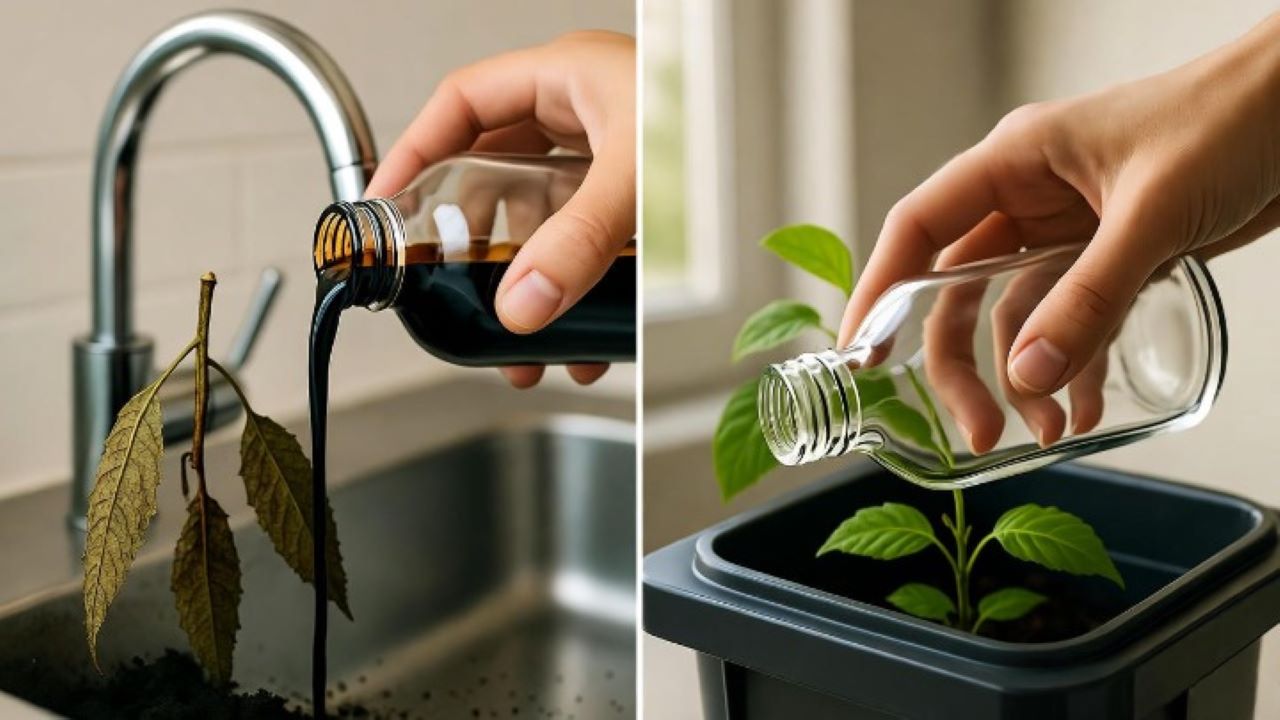
If you’ve ever looked at the discolored container of vitamin C and thought, “Can I dump vitamin C serum?” directly into the water and not be a prickly person, you’re not the only one. A lot of people who love skincare have this problem in the midst of a global skincare market for vitamin C continues to expand and is expected to reach the sum of USD 2.80 billion in 2032 . The solution, however, isn’t as easy as pouring it into the drain.
Disposing of the vitamin C-rich serum doesn’t just concern about removing clutter from your bathroom. It’s essential to ensure the protection of our environment as well as your personal security. If it’s not properly disposed of the chemical components found used in skincare products could contaminate the water system, cause harm to fish and disturb the balance of ecosystems. For those who are concerned about the environment, using skincare products being aware of the right methods of disposal is a vital final step in your skin care routine, to ensure that your desire for beauty doesn’t end up at the cost of the planet.
In this complete guide, we’ll discuss what you can do when you have expired, old or the oxidized vitamin C serum and how to tell if your serum is actually going bad, and also provide environmentally friendly alternatives to flushing these incredibly potent ingredients into the trash.
Why You Should Never Just Dump Vitamin C Serum
The Environmental Impact of Improper Disposal
The idea of pouring vitamin C serum straight in the toilet or throwing it in the trash may appear convenient, however this method poses serious environmental dangers. Skincare products are laced with chemical substances that water treatment facilities don’t have the capacity to eliminate completely. These substances could eventually find their way into lakes, rivers, and oceans, and could:
- Damage ecosystems in the aquatic environment by introducing toxic substances that alter reproduction and development in animals and fish.
- Infest water sources by introducing compounds that remain in the natural environment and accumulate over time.
- The disruption of the balance of microbial activity within water bodies, which could affect whole food chains
Although vitamin C itself is a natural substance serum formulations contain stabilizers, preservatives and other synthetic substances that do not belong in our waters. Being conscious consumers, appropriately getting rid of these substances is a logical extension of the pure beauty philosophy that focuses on your health and the health of the planet .
Potential Risks to Your Skin
Utilizing a vitamin C serum that has expired isn’t just unproductive, it could also cause irritation to your skin. As vitamin C oxidizes it breaks down into various chemical compounds, which can lead to:
- Redness and irritation of the skin caused by an increase in acidity from products of degradation
- Sensitivity increases due to the antioxidant protection decreases
- Ineffectiveness due to the fact that the vitamin C that has been oxidized cannot longer fight free radicals or increase collagen production
Dermatologists often advise against using vitamin C serum when it exhibits signs of oxidation. This is because the degraded product won’t provide the promised brightness, anti-aging or protection advantages .
How to Identify Expired or Oxidized Vitamin C Serum
Before you decide to throw away the vitamin C serum you have, it’s crucial to ensure that it isn’t expired or been oxidized. These are the signs to look for:
Color Changes
Vitamin C that is fresh generally is an transparent, pale straw or a light champagne color. As the process of oxidation continues you’ll see distinct colors changing :
- Light yellow: Early stages of oxidation–effectiveness is beginning to decline
- Gold or dark yellow The amount of oxidation is significantly diminished
- Brown or orange Advanced oxidation – the serum has lost the most benefits and can cause irritation to the skin
The change in color is caused by L-ascorbic acid the most potent form Vitamin C is extremely volatile and is prone to reaction with oxygen upon exposure to light or air . If your serum has reached the brown or orange stage you should definitely think about removing it.
Changes in Smell and Texture
Alongside color changes and smell changes, your senses and touch can assist in identifying an expired serum.
- Smell Smell: Fresh vitamin C serum usually has very little or no scent or a smoky, acidic smell. When a serum is oxidized, it often has the distinct smell that is metallic and sour and “hot dog water” smell that suggests the chemical degrading .
- Texture: If your serum is slippery, sticky or excessively thick or if you observe some grittiness or even separation or texture changes, these suggest that the formula is unstable and needs to be changed .
Manufacturer’s Expiry Date
Although olfactory and visual indications are useful but don’t forget the expiration date for the manufacturer displayed on the package. The date is the time in which the manufacturer is able to guarantee the product’s stability, security and effectiveness when stored in a safe manner .
The majority of vitamin C serums stay at their highest potency for 6-12 months when they are not opened however, once they’ve been opened, they last for 3 to 6 months before the oxidation rate increases . If you’ve been using your serum longer than the time frame even if it appears well, it’s likely to have diminished in its effectiveness.
The Correct Ways to Dispose of Vitamin C Serum
If your vitamin C serum is clear that it has expired or become oxidized, these are the best disposal strategies to take into consideration:
Check Local Hazardous Waste Guidelines
Some cities classify skincare products that contain high levels of active components in them as dangerous household waste especially those that contain chemical substances that may be harmful to water sources. In order to determine whether this is true in your region:
- Visit the official website of your city’s government and look for “household hazardous waste disposal”
- Contact your local authority for waste management directly
- Utilize online resources such as Earth911’s recycling locator to find specific information.
If your locality offers hazardous garbage collection, they might offer:
- Locations designated for drop-off
- Special collection events
- Curbside pickup of dangerous materials (in certain regions)
This will ensure that you are handling your business professionally of substances that could be problematic although it might take extra effort from your side.
General Household Disposal Method
For most people the best way to how to dispose of Vitamin C chemical is to follow these steps:
- Get rid of the remaining serum by pouring it into a recyclable material like cat litter, grounds from coffee or paper towels
- Put the serum that has been absorbed in a container that is sealed or bag to avoid leaks
- It can be disposed of with the normal household garbage
- You can recycle the container in accordance with local recycling guidelines. Glass bottles and plastic components are recyclable when they are thoroughly cleaned
This technique reduces the risk to the environment by stopping the liquid from the release directly into waterways and soil.
Recycling and Special Programs
A growing number of brands and retailers are now offering recycled programs for packaging of cosmetics as well as some services that take the packaging products as well:
- Terracycle cooperates with different beauty brands to offer free recycling programs for difficult-to-recycle packaging
- Origins as well as Kiehl’s typically will accept empty containers from any brand to recycle at their retail locations.
- Natural food stores often host gathering events to promote personal health care products
Although these programs usually concentrate on packaging and not the actual product however, they can be an environmentally sustainable method of eliminating skincare products in general.
Table: Comparison of Vitamin C Serum Disposal Methods
| Method | Best For | Procedure | Environmental Impact |
|---|---|---|---|
| Hazardous Waste Facility | Massiv quantities; areas that have strict rules | Go to the designated location | Minimal and professional handling |
| Household Trash | Small amounts of everyday necessities | Take out cat litter or paper towels, then seal bag | Moderate In landfill |
| Recycling Programs | Brand-specific options; empty containers | Clean packaging Use store or brand programs | Low; materials repurposed |
How to Store Vitamin C Serum Properly to Extend Its Life
It is always better to avoid waste than attempting to manage your disposal. These storage methods can greatly prolong the shelf life of your serum:
Ideal Storage Conditions
Vitamin C is extremely sensitive to environmental conditions particularly air, light as well as heat . To increase the potency and extend its life:
- Store it in an area that is cool and dark like a medicine cabinet or a drawer tucked away from the view of windows
- Stay away from heat sources such as radiants, direct sunlight and hot appliances.
- Make sure the cap is shut following each use to limit air exposure
- Do not store in bathrooms with high humidity when you can, as humidity can accelerate degradation
Should You Refrigerate Vitamin C Serum?
The issue of whether or not to freeze vitamin C serum is an unanswered answer, which is contingent on the formula :
- For serums containing L-ascorbic acid The benefits of refrigeration are that it helps to slow the process of the process of oxidation by keeping a cool temperature, particularly in warmer climates.
- For serums derived from derivatives (like sodium ascorbylphosphate or tetrahexyldecyl phosphate) It is generally not necessary since these forms are more stable in nature.
- Possible drawbacks The effects of refrigeration can cause certain formulas to become thicker or crystallize and regular temperatures fluctuations caused by moving it into and out could cause more harm than good.
If you opt to store your serum in a refrigerator ensure that you keep it in the same place instead of changing it between different environments.
Additional Storage Tips
- Buy smaller bottles when you are using vitamin C serum frequently since you’re more likely to use them prior to oxidation taking place.
- Search for packaging that is airless instead of dropper bottles that allow the serum in air during every use.
- Take note of the date of opening on the bottle using a an indestructible marker to keep track of how long it’s been use.
- Do not dip your fingers in the bottles,
that can spread bacteria that can accelerate degradation of food products
Frequently Asked Questions (FAQs)
Do I have to dump the vitamin C cream on my face even if it’s just a little discolored?
Utilizing a slightly discolored vitamin C serum is not advised. The early signs of oxidation indicate that vitamin C is beginning to break down, which reduces it’s effectiveness as an antioxidant. Although it’s likely to not cause harm to the skin, it will not give you the full brightness collagen-boosting and protection benefits you’re hoping for. If your serum’s color has changed in color from the original it’s best to replace it with a new one.
Can I put vitamin C serum into the refrigerator to make the serum last?
Refrigeration can prolong the lifespan of certain kinds Vitamin C-rich serums notably ones that contain the instabilized form of L-ascorbic acids. The dark, cool environment in a refrigerator can slow down the process of oxidation. But, you should be aware that certain formulas can alter their texture or thicken when chilled. More stable derivatives such as sodium ascorbyl phosphate and magnesium ascorbylphosphate generally do not require refrigeration.
What can I do with the old vitamin C serum I don’t want to put to treat my facial skin?
Instead of putting an old cream for your skin, think about these alternatives:
- Apply it to areas that are less sensitive like elbows, hands or knees.
- Make use of it to treat stained clothes (test for colorfastness before you test)
- You can add a small amount of the body lotion to get antioxidant benefits (use immediately)
Keep in mind the fact that they are not complete options–the vitamin C will remain with diminished power.
What can I do to tell whether I have a problem with my Vichy Vitamin C serum has been ruined?
The indications that the Vichy Vitamin C serum has expired are similar to those in other products: change in color from light to clear or orange and the development of an unusual scent as well as changes in the texture. It’s Vitamin C Serum typically has the appearance of a soft texture with a pleasant smell when it’s fresh. Any deviation from this indicates that the possibility of oxidation.
Is oxidized vitamin C serum dangerous?
Although not usually dangerous Although it’s not typically a risk, the oxidation of vitamin C serums could cause skin irritation particularly for people who suffer from sensitive skin. The primary concern is that it has lost its effectiveness–you’re not getting the antioxidant protection, brightening, or anti-aging benefits. In the worst case scenario the serum that has been heavily oxidized could cause irritation or redness, however, it’s not considered to be toxic.
Conclusion
If you’re wondering, ” Can I dump vitamin C serum?” the answer is not without taking into account. Properly disposing of expired skincare products can be a straightforward but effective way to align your skincare routine with the environmental goals. Recognizing the symptoms of oxidation, pursuing alternatives for a responsible disposal and adopting the correct storage methods, you will be able to reduce waste while improving the health of your skin and contributing to a cleaner environment.
Make sure to prevent the problem by ensuring proper storage is the best approach. If disposal is required making the choice to use household hazardous waste programs or absorption method is a sign of environmental responsibility that extends far beyond the routine of your skin care routine.
What steps are you planning to do to dispose of your products for skincare more sustainably? Share your experiences or concerns about the disposal of vitamin C serum in the comments below. We’d be interested to hear about how you’re including sustainability into your skincare routine!