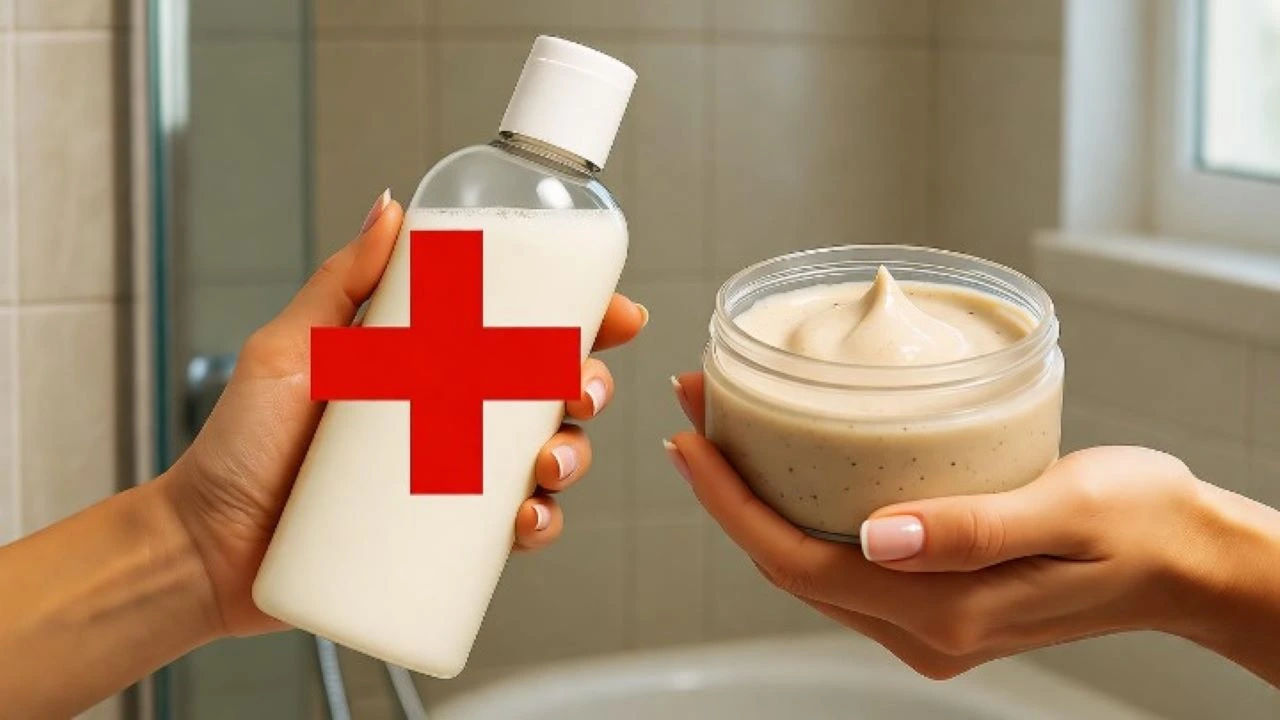
You’ve seen the stunning hair transformations on social media. You’ve invested in a high-quality hair mask, promising intense repair and dazzling shine. You’re ready for your own “hair glow-up.” But as you step into the shower, a moment of confusion hits. The bottle says “apply to clean, wet hair,” but your mind races. Should I shampoo after hair mask? to avoid greasiness, or does that ruin the whole point?
If this sounds familiar, you are not alone. This is one of the most common haircare dilemmas, and getting the sequence wrong is the difference between salon-worthy results and a flat, disappointing wash day. Using a hair mask incorrectly can leave you wondering why your hair mask not working despite your best efforts.
The good news is that the answer is simple. This guide will not only tell you exactly what to do but will also explain the science behind it. We’ll cut through the noise and provide a clear, step-by-step routine tailored for every hair type. Get ready to finally understand the right way to use a hair mask and achieve the healthy, vibrant hair you deserve.
The Quick Answer: What is the Correct Order for Hair Mask and Shampoo?
Let’s eliminate the confusion right away. For the vast majority of hair masks, the golden rule is straightforward:
You should always apply your hair mask after you shampoo and before you condition.
The ideal sequence is: Shampoo -> Hair Mask -> Conditioner.
Applying shampoo after your hair mask is like mopping the floor and then scrubbing it with a dirty brush. You are actively undoing the benefits. The shampoo will strip away the concentrated, reparative ingredients you just applied, rendering your treatment ineffective and wasting your time and money. This is the core reason many people find their hair mask results not lasting.
Why Shampoo Before Hair Mask? The Simple Science Explained
To truly master your routine, it helps to understand the “why.” Think of your hair care routine like a skincare regimen: you cleanse before you apply a treatment serum.
Let’s break down the role of each product:
- Shampoo’s Job:Shampoo is a cleanser. It contains surfactants designed to bind to dirt, oil, and product buildup on your scalp and hair strands. As it cleanses, it gently opens the hair’s outer layer (the cuticle) to wash the impurities away. This leaves you with a clean, receptive base.
- Hair Mask’s Job:A hair mask is an intensive treatment. It’s packed with heavy-duty hydrating ingredients like shea butter, natural oils, proteins, and humectants. Its mission is to penetrate deep into the hair shaft to repair damage, restore moisture, and improve elasticity.
So, why shampoo before hair mask? Applying a mask to dirty hair creates a barrier. The nutrients cannot effectively penetrate through the layer of grime and product residue. By shampooing first, you create a clean canvas, allowing the mask’s active ingredients to be fully absorbed and work their magic.
Your Step-by-Step Guide: The Right Way to Use a Hair Mask
Now that the core principle is clear, let’s walk through the perfect application technique. Following these hair mask steps will ensure you get the most out of every single use.
Step 1: Shampoo with Purpose
Begin with a thorough wash. Focus the lather primarily on your scalp to remove oil and buildup. As you rinse, the suds will naturally clean the lengths of your hair, preventing the ends from being over-stripped. A common related question is, “Should I use clarifying shampoo before a hair mask?” The answer is yes—if you have significant product buildup or swim in chlorinated pools. However, limit clarifying shampoo to once every 2-4 weeks as it is very potent.
Step 2: Prepare for the Mask
After rinsing out your shampoo, gently squeeze excess water from your hair. Your hair should be damp, like a well-wrung sponge, not dripping wet. This helps the mask adhere better without being diluted.
Step 3: Apply the Mask Strategically
This is where technique matters most. Many people ask, “Can we apply hair mask on scalp?” For most rich, creamy masks, the answer is no.
- Focus on Mid-Lengths to Ends:Your scalp produces natural oils, but the older ends of your hair are the most damaged and driest. Concentrate the product from your mid-lengths down to the tips.
- Comb Through:Use a wide-tooth comb to distribute the mask evenly from roots to ends. This ensures every strand is coated.
- Follow the Clock:Leave the mask on for the time specified on the label, typically 5-10 minutes. For a deep treatment, you can leave it on for up to 30 minutes.
Step 4: The Final Rinse
Rinse your hair thoroughly with cool or lukewarm water. A cool rinse is a pro-tip as it helps to seal the hair cuticle, locking in the moisture and adding an extra boost of shine.
The Conditioner Conundrum: Should I Use Conditioner After Hair Mask?
This is a fantastic and very common follow-up question. If the mask is so nourishing, should I use conditioner after hair mask?
In most cases, you can skip your regular conditioner.
A high-quality hair mask is designed to be a super-concentrated conditioner. It should provide enough conditioning, detangling, and softening effects on its own. However, there are exceptions. If you have extremely coarse, curly, or damaged hair, you might benefit from using a lightweight, silicone-free conditioner or a leave-in product after rinsing out the mask. This adds an extra layer of slip and helps to further seal the cuticle. This directly addresses the query, “Should I use both conditioner and hair mask?”—yes, but only if your hair demands that extra level of care.
Troubleshooting: Why You Might Think Your Hair Mask Isn’t Working
Are you following the steps but still not seeing the transformative results? Let’s diagnose some common issues.
“Why Does My Hair Feel Oily After Mask?”
If your hair feels heavy, greasy, or weighed down, the culprit is often one of these:
- You’re using too much product.A little often goes a long way.
- You’re applying it too close to your roots.Focus on the ends!
- The mask is too rich for your hair type.If you have fine hair, seek out lightweight, volumizing masks.
- You’re not rinsing thoroughly.Ensure all residue is washed out.
You’re Using the Wrong Type of Mask
A moisturizing mask won’t help hair that is lacking protein, and a protein mask can make moisture-deficient hair feel brittle. Pay attention to your hair’s needs: does it feel gummy when wet (needs protein) or like straw (needs moisture)?
You’re Not Consistent
Hair care is a marathon, not a sprint. For lasting results, especially for color-treated or damaged hair, incorporate a mask into your routine once a week or every other week.
Special Cases and Exceptions to the Rule
While the shampoo before hair mask rule is almost universal, a few specific scenarios flip the script.
The “Pre-Poo” Method: Hair Mask Before Shampoo
Some haircare routines, particularly popular within the curly and coily hair communities, advocate for “pre-shampooing” or “pre-pooing.” This involves applying a light oil or a specific mask before shampooing. The goal is to protect the hair’s natural oils and prevent the shampoo from being too stripping. This is an excellent method for very dry, fragile, or textured hair types.
Clarifying Treatments
As mentioned earlier, a clarifying shampoo should always be followed by a deeply hydrating mask to replenish any moisture that was removed during the intense cleansing process.
Specific Product Instructions (Like Olaplex No. 3)
Some treatments have unique formulas that require a different approach. A hugely popular search is “Olaplex No. 3 before or after shampoo?” Unlike a traditional mask, Olaplex No. 3 is a bond builder. Its instructions explicitly state to apply it to damp, towel-dried hair before you shampoo. Always, always read the product’s specific label.
Conclusion: Master Your Routine for Ultimate Hair Health
So, the next time you find yourself asking, “Should I shampoo after hair mask?” you can confidently say no. Embrace the golden sequence: Shampoo to cleanse, Mask to treat and repair, and then decide if a final conditioner is necessary for your specific hair type.
By following this definitive guide, you can stop wasting product and start achieving the healthy, shiny, and strong hair you see in your favorite tutorials. Your hair mask is a powerful tool—you now hold the key to using it correctly.
We love hearing from our readers! What is your all-time favorite hair mask and what amazing results have you seen from it? Share your success stories and tips in the comments section below!